
Can we take Sesame Seeds after Embryo Transfer? Is there any Benefits?

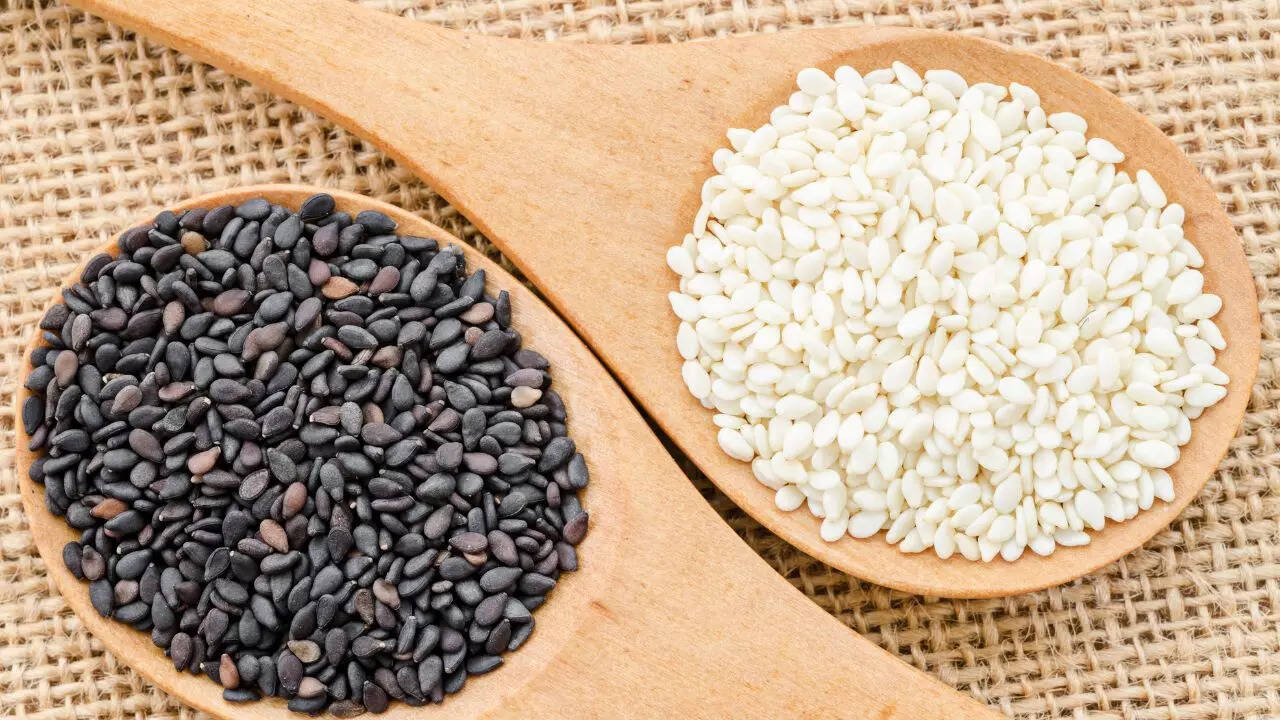
Sesame seeds are traditionally considered "heat-inducing" in Ayurveda, which makes many women hesitant to consume them after embryo transfer. However, from a scientific perspective:

✔ Benefits of Sesame Seeds After Embryo Transfer

1️⃣ Rich in Zinc & Selenium – Supports implantation & reduces oxidative stress
2️⃣ Boosts Progesterone – Helps maintain the uterine lining for embryo attachment
3️⃣ Contains Healthy Fats – Supports hormone balance

⚠ Should You Eat Sesame Seeds After Embryo Transfer?

🔹 In moderation (small amounts) – Yes, as it supports progesterone.
🔹 Avoid excessive intake – Large amounts may increase body heat and could be risky for implantation.
🔹 If prone to heat-related issues (pitta body type) – Better to limit or avoid sesame and focus on sunflower seeds instead.

✅ Alternative for Sesame

If you want to avoid sesame, you can replace it with:
✔ Sunflower seeds (Vitamin E, Selenium) – Best for uterine health
✔ Almonds & Walnuts – Provide similar hormone-balancing benefits

Disclaimer

The information provided in this blog is for educational and informational purposes only and is not intended as medical advice. While every effort has been made to ensure accuracy, the content is based on general research, nutritional principles, and personal insights.

Individual health conditions, fertility treatments, and dietary needs vary from person to person. Always consult with your fertility specialist, doctor, or a registered dietitian before making any changes to your diet, supplements, or treatment plan, especially during fertility treatments like IVF, IUI, or embryo transfer.

This blog does not claim to diagnose, treat, cure, or prevent any medical conditions. The author and publisher are not responsible for any adverse effects resulting from the use of the information provided.

If you have any specific medical concerns, please seek professional medical advice from a qualified healthcare provider.

Comments

Popular posts from this blog

What is the Optimal Progesterone Level a Day Before Embryo Transfer?

For a Frozen Embryo Transfer (FET) , the ideal serum progesterone level one day before embryo transfer depends on whether progesterone is given via injections, vaginal tablets, or both. 📌 Ideal Progesterone Levels (One Day Before Embryo Transfer) ✅ Above 10 ng/mL (30-40 nmol/L) if taking progesterone injections . ✅ Above 10-15 ng/mL (30-50 nmol/L) if using vaginal progesterone (Susten 400mg). ✅ Below 1.5 ng/mL (5 nmol/L) before starting progesterone – If progesterone was not started at the right time, high levels before transfer might indicate early exposure, which can affect implantation. 🚨 Why Is Progesterone Important? ✔ Supports endometrial receptivity – Ensures the lining is ready for implantation. ✔ Reduces uterine contractions – Prevents early embryo dislodgment. ✔ Prepares for pregnancy maintenance – Prevents early miscarriage risk. 📌 What If Progesterone Is Low Today? 🔹 Below 10 ng/mL? – Doctor may increase progesterone injection dosage or add vagina...

Pre-Embryo Transfer Supplementation Guide

 To improve embryo implantation, uterine receptivity, and pregnancy success , the following supplements are recommended at least 4–8 weeks before embryo transfer . Key Supplements for Pre-Embryo Transfer 1. Vitamin D Dosage: 2000–5000 IU daily Best Form: Vitamin D3 (Cholecalciferol) Why? Enhances endometrial receptivity and implantation rates . Food Sources: Sunlight, salmon, egg yolk, fortified dairy. 2. Vitamin B12 Dosage: 1000 mcg daily (Methylcobalamin form preferred) Why? Supports embryo development and uterine blood flow . Food Sources: Meat, fish, dairy, eggs. 3. Folate (Vitamin B9) Dosage: 400–800 mcg daily (as Methylfolate, NOT Folic Acid for better absorption) Why? Reduces chromosomal abnormalities and improves implantation . Food Sources: Leafy greens, beans, citrus fruits. 4. Iron (Ferritin Levels Below 50 ng/mL) Dosage: 30–60 mg daily (if deficient) Best Form: Ferrous Bisglycinate (gentle on stomach) Why? Supports oxygen delive...

How Long Does it Take for a Day 5 (Blastocyst) Embryo to Implant?

Implantation timing depends on the stage of the blastocyst at the time of transfer. Here’s a general guideline: Approximate Timeline for Blastocyst Implantation Blastocyst Stage at Transfer Implantation Timing Days Post Transfer (DPT) Day 5 Blastocyst (Expanded or Hatching) 24–48 hours 1–2 Days Post Transfer (DPT) Day 6 Blastocyst (Hatching/Expanded) 12–24 hours Same Day or 1 Day Post Transfer (DPT) Since your blastocyst was transferred at 12 PM , implantation typically occurs: ✅ Between 1–2 days post-transfer for a Day 5 blastocyst (approx. next day 12 PM to 48 hours later ). ✅ Within 12–24 hours for a Day 6 blastocyst (possibly even same evening or next morning ). Key Factors Affecting Implantation Timing Endometrial Receptivity (thickness, progesterone levels). Blastocyst Quality (grading, hatching status). Uterine Environment (blood flow, inflammation). Signs of Implantation (2-5 Days Post Transfer) 🔹 Light spotting (implantation bleeding). 🔹 Mild cram...